
It’s common knowledge that location is one of the most important factors in the real estate industry. However, location can be defined in multiple ways. Many people only consider a home’s macro-location, which is the city or neighborhood the property is situated in. Micro-location may be even more important, though.
If you’re planning to buy or sell a home, you should understand what micro-location is and how a property’s micro-location can impact its value.
What Is Micro-Location?
Micro-location is a home’s immediate surroundings. There are a number of factors that make up micro-location, including the presence of neighboring homes or businesses, the orientation of the house on the street, traffic patterns around the home, and proximity to amenities.
Two houses in the same neighborhood may have the same macro-location, but their micro-locations could vary dramatically. For instance, a home placed right on the corner of a busy intersection will offer a very different living experience than a home down the street that’s offset from the traffic.
Micro-location can vary by street, by block, and even from house to house. This is why it’s such an important consideration for home buyers.
How Micro-Location Impacts Property Values
The micro-location of your house can have a big impact on your quality of life and therefore can influence your home’s sale price. The following are eight micro-location factors that affect your property value:

1. Schools
Proximity to schools plays a massive role in the value of your home. Any location in a neighborhood that’s walkable to a school can be great for your property value.
However, being too close to a school has its downsides. If your home is right next to a school, you’ll be subject to noise from the bell, playground, sports, and other events. Traffic and parking can also be difficult during drop-off and pick-up hours or during school functions.
In most cases, a few blocks away from a school is the perfect micro-location. The school and playground are in walking distance, but you’re not stuck right in the middle of all the school activity.

2. Parks
In general, the closer your house is to a public park, the higher its value will be. Like with schools, any house in walking distance to the park will be desirable for families. Homes that border or overlook the park can be even more valuable.
Proximity to a public park is especially desirable in cities with limited green spaces. Many buyers will jump at the chance to live so close to a park and to have a view of nature from their window.
3. Commercial Space
Your house’s proximity to commercial spaces can either have a positive or negative impact on its value. Being within walking distance to markets, restaurants, and shops is usually highly desired.
However, being too close to loud and busy commercial locations can detract from your home’s value. Most home buyers don’t want so much vehicle or pedestrian traffic near their property. Like with schools, the ideal micro-location is a few blocks away from a commercial center so that it’s accessible but not disruptive to your life.

4. Public Transportation
Access to public transportation is a big selling feature in many communities. It can save residents a great deal of money on commuting costs and could eliminate the need for a car altogether.
Your home’s exact location in relation to a bus or train stop can make a difference in its value. In an area that heavily values public transit, being one block away from the station is much better than being five blocks away.

5. Traffic
Traffic patterns can vary within a neighborhood. If one end of the street connects to a major road, the houses near that intersection will see and hear more traffic. The other end of the street could be much quieter by comparison, making it more desirable for most home buyers.
There can be safety concerns when living near a high-traffic route, too. Families may not want to purchase a house near a busy intersection because they worry about their kids’ ability to safely play outside. A house that’s highly visible to passersby could also become a target for theft.
6. Parking
The availability of street parking can be a big selling point in some neighborhoods. Parking is an especially big concern in densely populated suburbs where homes have small driveways but most residents own cars.
If your house is located next to an apartment building or commercial business, street parking could fill up quickly. If your house is on a corner lot, you have double the opportunities for street parking. Just one block could make all the difference in how easy it is for you or your guests to park at your home.
7. Safety
You can look up crime statistics for a neighborhood to get an understanding of its overall safety, but your sense of safety can also vary from block to block.
For example, if your house is on a section of the road with no streetlights, you may feel unsafe being out at night. However, the houses right down the street that are well-lit could feel perfectly safe and secure.
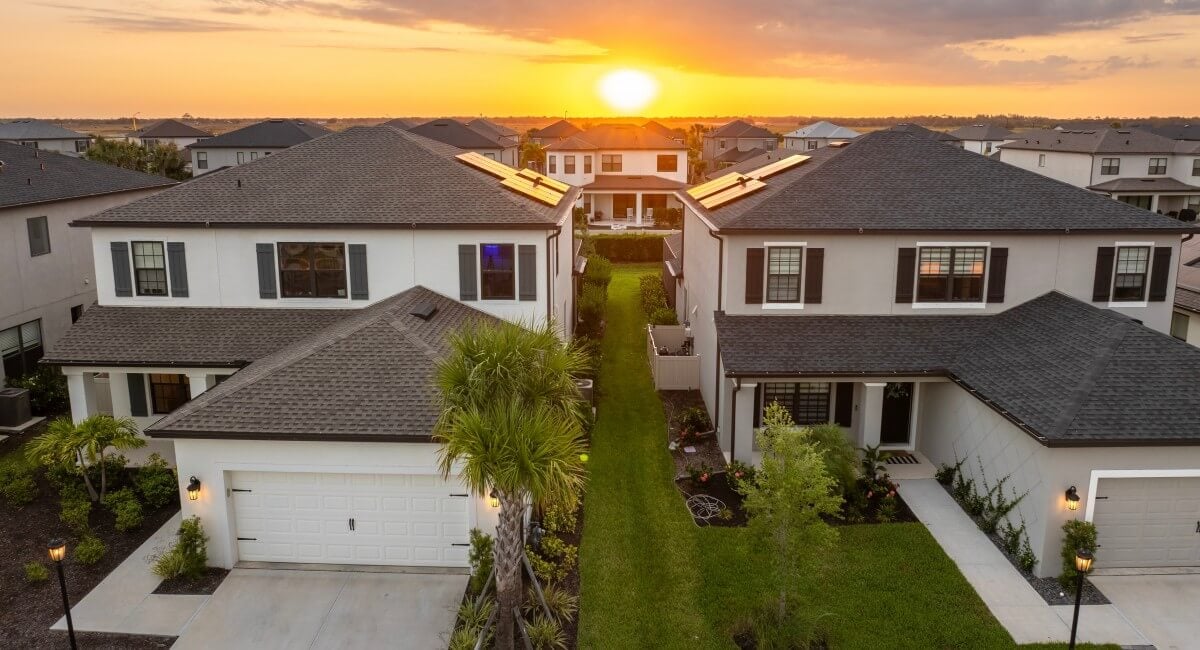
8. Sun Exposure
Natural light offers a ton of benefits and can be a key selling feature for your home. Good lighting makes a house feel warmer and more energizing, and natural light can even reduce your utility bills by helping regulate the temperature in the house.
South-facing windows are typically the best for natural lighting. If your home gets the perfect amount of natural light, it could sell for more than an identical house across the street.

The Role of Micro-Location in Home Buying
Location always gets a heavy focus when buying or selling a home. While it’s helpful to consider the neighborhood as a whole, it’s equally important to understand a house’s micro-location.
If you’re selling your house, think about what unique benefits your home’s location offers. For instance, your house might offer a great view of a nearby park, or you may have access to plenty of street parking. These features might allow you to price your home a little higher than the neighboring properties.
As a buyer, keep micro-location in mind as you attend showings and open houses. Listen for noise pollution while you’re inside the home, and note the orientation of the home in relation to the sun. Think about what amenities are in walking distance, and consider whether the location feels private or gets a lot of vehicle or foot traffic.
Location involves so much more than the neighborhood or town you reside in. The exact positioning of your house can greatly impact your living conditions. Whether you’re in the real estate market as a buyer or a seller, you should always keep micro-location in mind.