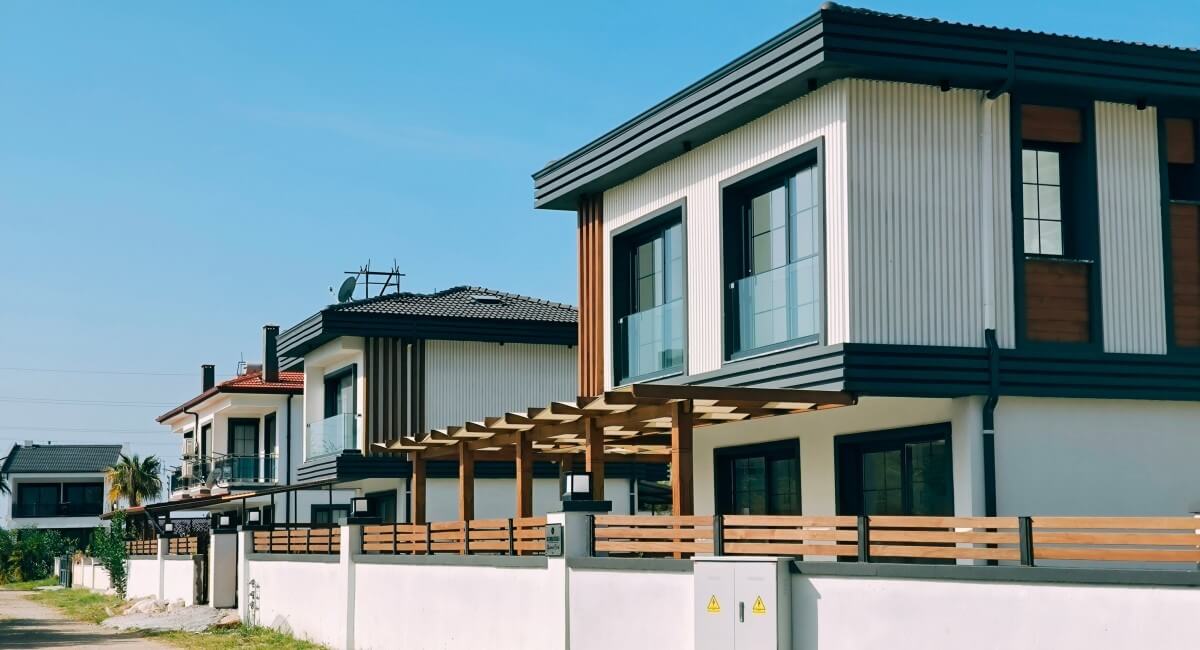
If you live in an area that’s undergoing a lot of development, you might be curious about buying a new construction. Many prospective home buyers assume that new builds are out of their price range, but they can actually be more affordable than you might think.
A home’s purchase price should only be your first financial consideration. There are many other costs involved in buying and maintaining a home, and these expenses can vary greatly between new builds and resales. Understanding the true cost differences between new and existing homes will help you decide which option is right for you.
Price Differences Between New Builds and Existing Homes
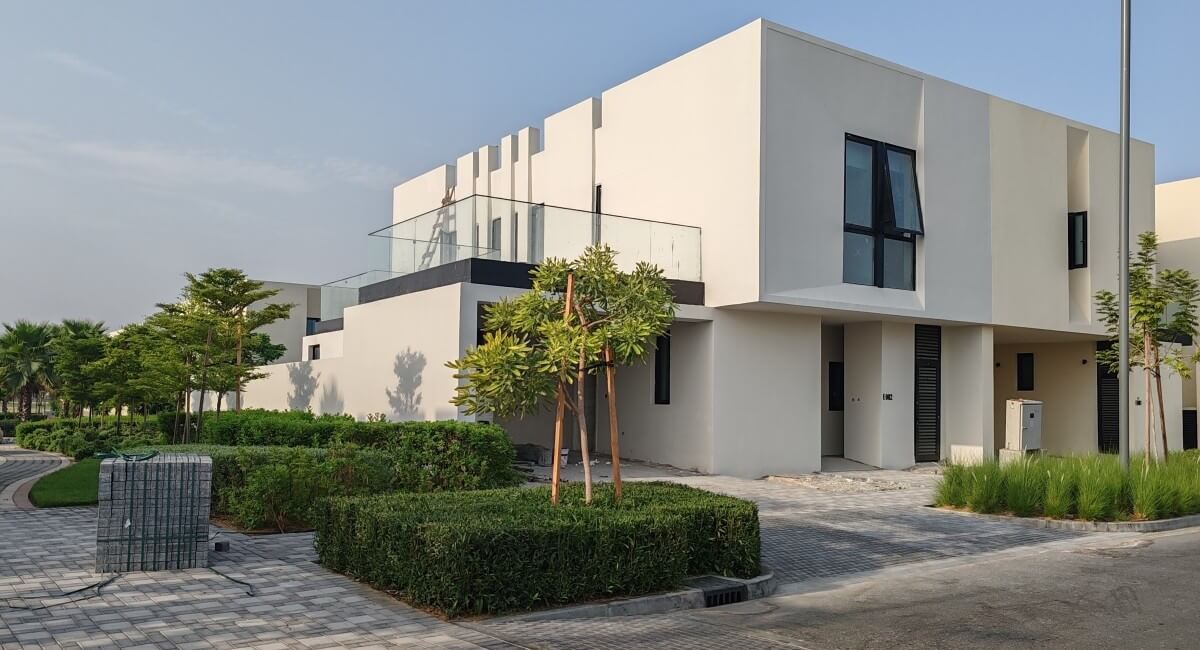
Many buyers are under the impression that new builds cost significantly more than existing homes because all the systems and appliances are in top condition. However, the median price of a new build in 2026 is actually slightly lower than the median price of an existing home.
Until recently, it was true that new houses were more expensive. Existing home prices have continued to rise year after year, but since 2022, new build prices have stayed stagnant or declined slightly every year.
According to data from the National Association of Home Builders, at the end of 2025, the median price for a new single-family home was $405,300. The median price of an existing single-family home was $414,900.
Why the Gap Is Closing
The biggest reason the price gap between new builds and existing homes has closed is that new builds are getting smaller. A 2023 survey conducted by the National Association of Home Builders found that buyers want a median home size of 2,067 square feet. In 2003, the same survey revealed that buyers wanted a median home size of 2,260 square feet.
This means that, over the last 20 years, buyers’ size preferences have decreased by about 10 percent. Some home buyers may want a smaller house to reduce their cost of living in an increasingly expensive world. Some families simply don’t need so much space, especially because average family sizes are decreasing as well.
Builders know that buyers are looking for smaller, less expensive homes, and they’re trying to fulfill that need in the market. As a result, the average size of a new single-family home has been steadily decreasing since 2015.
Regional Differences
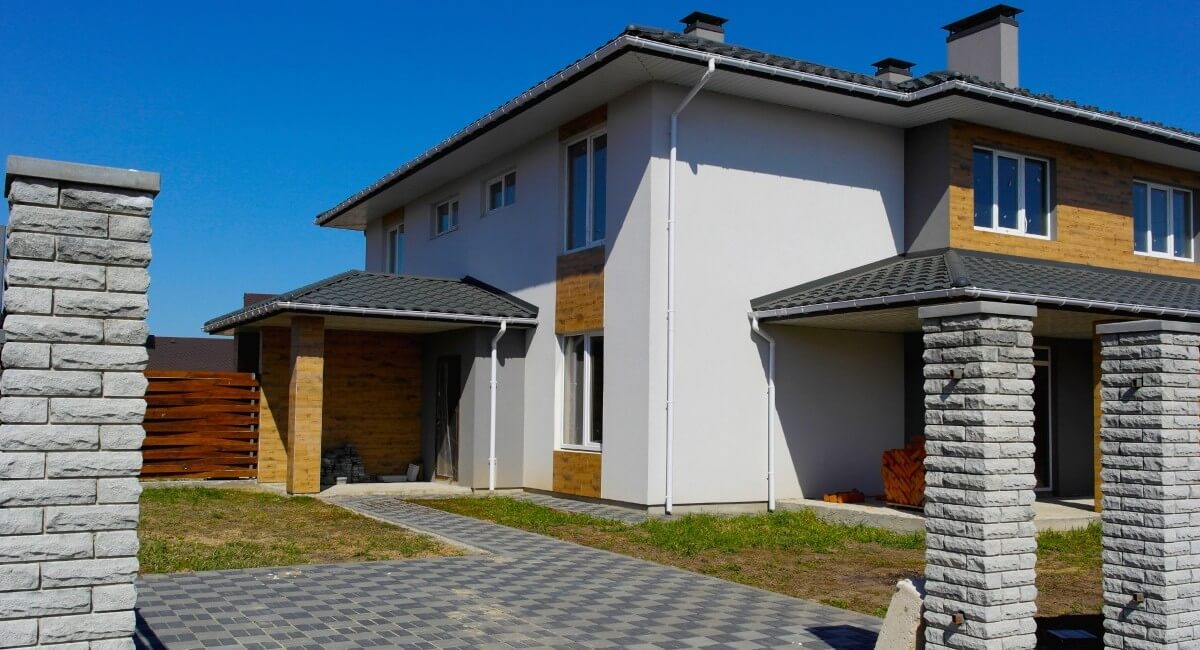
Across the United States, the median new build price is now less than the median price of an existing home. However, this changes by region throughout the country.
The majority of new homes are being built in the South. Because of this increased supply, the South has the lowest median new home prices in the country. In the West, houses are more expensive across the board, but the median new build is about $66,000 less than the median existing home.
In the Midwest, however, new homes are about $60,000 more expensive than existing homes. In the Northeast, new builds sell for a staggering $283,000 more than existing homes.
Housing costs are determined by supply and demand as well as the overall cost of living in an area. Whether a new build or existing house will be cheaper for you depends on your location and the size of the home you’re looking to buy.
Other Cost Considerations
The purchase price may be your biggest financial consideration when buying a home, but there are other factors to keep in mind as well. Here are some of the other key costs that can vary between a new build and an existing home:

Maintenance Costs
Maintenance costs with a new build will almost always be lower. When you buy a new house, everything is at the beginning of its lifespan. You shouldn’t need to make any major repairs or replacements for years. With an existing home, you could be looking at costly upgrades as soon as you move in.
Warranties
When buying a new construction, your builder will likely offer you a warranty on the home. This provides coverage for faulty structures, systems, or appliances for a certain time frame. Although warranties may not cover everything that could go wrong in your new home, they provide an extra level of financial assurance.
Utility Expenses
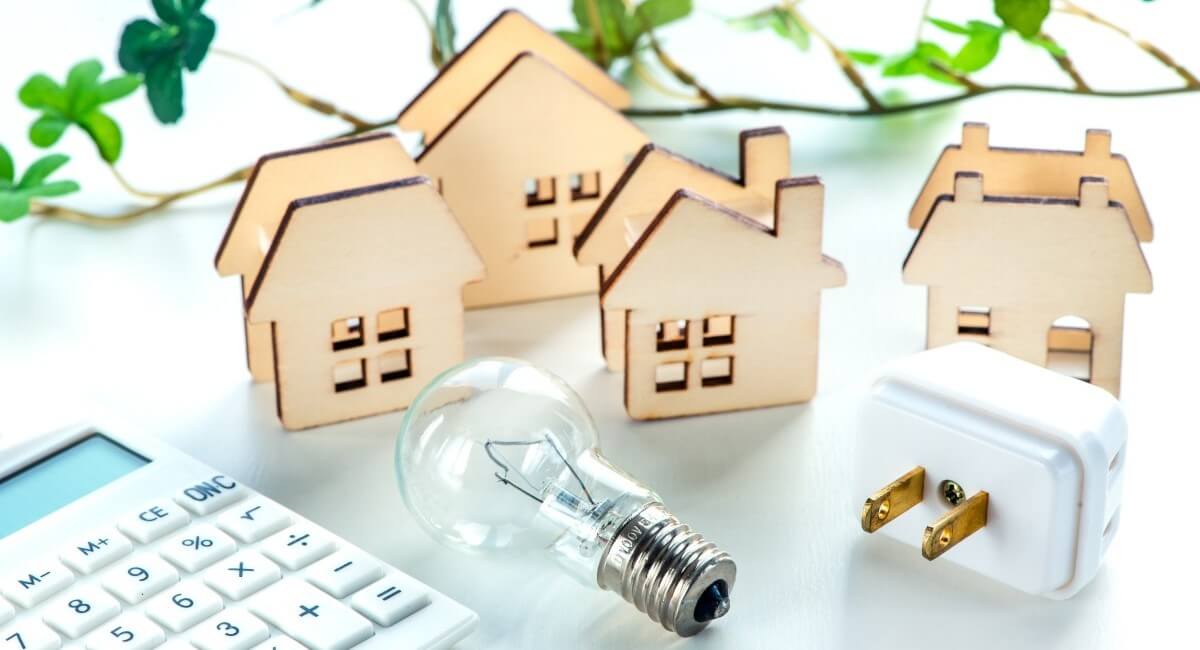
New homes are generally more energy-efficient than existing properties. They’re often built with materials that help retain heat or cold and have appliances that conserve power and water. Compared to older homes, your utility costs can be much lower in a new construction.

Insurance
Homeowners insurance rates are usually lower for new constructions than for resale homes. While older homes could have problems with the electrical, plumbing, foundation, roof, or other major structures, new builds are far less likely to result in insurance claims.
Moving Timeline
One of the biggest downsides to buying a new construction is that the move-in timeline tends to be much longer. You might have to wait close to a year for the construction to be finished. During this time, you’ll have to continue paying for housing elsewhere. An existing home, on the other hand, can close within a couple months.

Taxes
While tax rates don’t differ between new builds and existing homes, buyers of new builds often see a surprising jump in their tax bill. Property taxes are usually calculated based on an assessment conducted by the town. However, new builds don’t have any assessment history. Your mortgage lender will estimate your property taxes at closing, but when the town conducts their own assessment, your taxes could go up significantly.
Financing Incentives
Builders commonly offer incentives to buyers of new constructions. For example, your builder may offer to pay some of your closing costs. Another popular incentive is an interest rate buy-down, which involves the builder paying the lender to secure a lower rate for your mortgage. This lower rate typically lasts for a few years and then reverts back to the original rate. Incentives like these could save you thousands of dollars.
Should I Buy a New Build or an Existing Home?
Both new constructions and resale homes have their pros and cons. If you want to avoid costly home maintenance, a new build may be a better fit for your needs. If you want a shorter timeline to your closing date, you may be better off purchasing an existing home.
Regional differences can impact your decision, too. Home buyers in the South, for instance, may have more options when looking for new builds. In the Northeast, new constructions are fewer and farther between.
If you’re in the market to buy a home, don’t rule out either option. Explore the advantages and drawbacks of both resales and new builds with the help of a trusted real estate agent. You never know where you’ll stumble upon your perfect home, so keep an open mind throughout your search.